


Traceable from Seed to Cup
We believe we can make a positive impact on coffee’s future through our everyday commitments to quality, sustainability, education, and transparency.

-

Quality
We set the standard for the best coffees by driving innovation at every step of the supply chain.
-
Sustainability
We take action to invest in the environment and people through collaboration, communication, and transparency.
-
Education
We cultivate and exchange knowledge to empower people to create extraordinary coffee experiences.


From Co-Founder + Executive Chairman Brett Smith...
There is no finish line.
Sincerely,

We’ve been doing this for a while and we won’t stop.
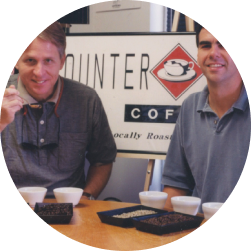
1995
After meeting at the UNC Kenan-Flagler Business School, Brett Smith and Fred Houk founded Counter Culture Coffee. Our first sale was a bag of coffee to Pop’s Trattoria.
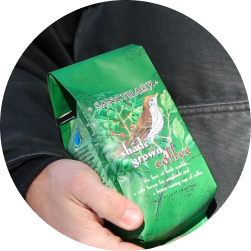
1997
We launched Sanctuary, a bird-friendly coffee line, at the 1997 Specialty Coffee Association of America event in New Orleans. We were among the first roasters to offer shade-grown coffee.
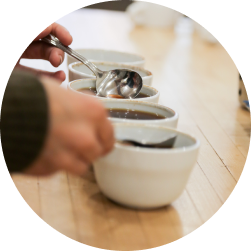
2002
Our Durham facility became the first organic-certified coffee roaster in North Carolina. We held our first public tasting on a Friday morning, which initiated a tradition that continues today: Tasting at Ten.
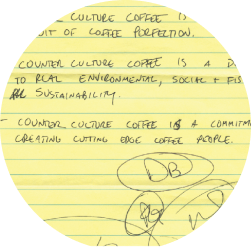
2003
We formalized our commitment to real social, environmental, and financial sustainability in the Counter Culture vision statement. This document was signed by Brett Smith, Peter Giuliano, and Daryn Berlin on March 10, 2003.
2004
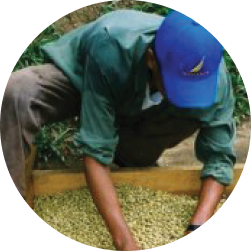
We took our first customer group to visit coffee farms in Nicaragua—a precursor to our annual Origin Field Lab event.
2007
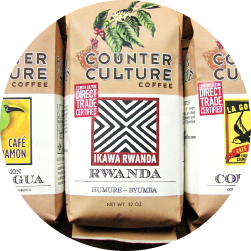
We launched our Source coffees: 12 oz bags focused on single-origin coffees. That year, the Source line won Best New Product at the annual Specialty Coffee Association of America conference.
2008
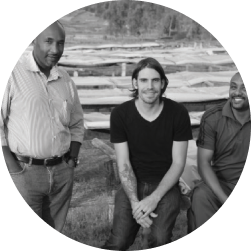
We established our certified Direct Trade policy, paving the way for our current coffee-buying model.
2009
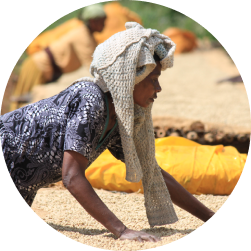
We published our first Transparency Report, detailing Direct Trade purchases of twelve coffees in the previous year.
2010
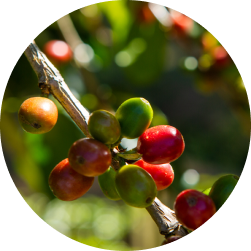
We created our Seeds program to structure and define our monetary contributions to projects that benefit our coffee-producing partners and their communities. We also obtained a Green Plus sustainable business certification.

2012
We became a founding member of the Coalition for Coffee Communities, an organization established to address food security issues in coffee communities and promote collaboration among competitors. Additionally, we received the Green Plus Sustainable Enterprise of the Year award.
2015
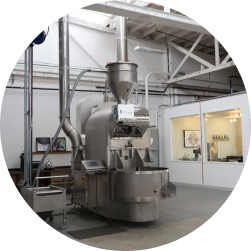
Drawing upon two decades of expertise, we opened a new roastery and training center in the San Francisco Bay area. This strategic move not only enhanced our ability to cater to our West Coast partners but also significantly reduced the environmental footprint associated with shipping our products throughout the region
2016
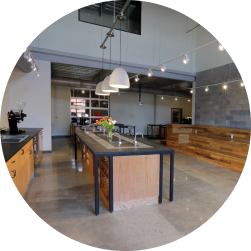
We moved our Headquarters to a new facility near downtown Durham, NC. We became the first specialty coffee roaster to deploy color-sorting technology for roasted
coffee. This machine eliminates coffee outside of a desired color profile, helping to create a
higher quality product for our partners.
2018
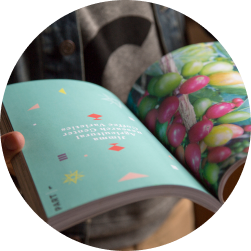
After over two years of research by many members of the Counter Culture team, we published our first book, A Reference Guide to Ethiopian Coffee Varieties, by Getu Bekele and Tim Hill. After five years of research and development, we led our first Climate Change Adaptation Workshops series.
2020
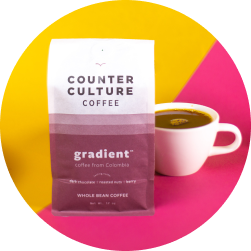
After an extensive application process, we became a certified B Corp. We appointed a Board of Directors to guide and improve business strategy. We launched our seventh year-round coffee, Gradient, to fill an identified hole in our core menu.

2021
We started using an open-book management system: the Great Game of Business. This financial transparency allows employees to work together and build a better, more financially sustainable company. We rolled out free, incentivized stock options to all full-time employees.
2022
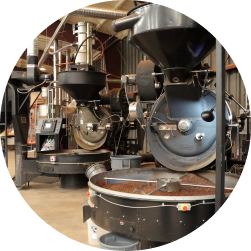
We reorganized our Durham warehouse to sustain the company’s growth. This change included overhauling the floorplan, installing a rotary bag filling-and-sealing machine, implementing spray printing, modifying 5lb wholesale film supplies, and utilizing larger bag pallets.
2023
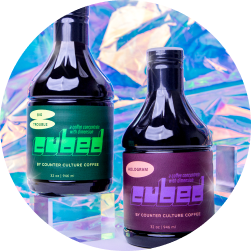
We launched our Bloom program, which provides grants for sustainability projects proposed by our wholesale partners. After years of innovation, we debuted Cubed, a super coffee concentrate.